


SU CARBURETTERS
TECHNICAL GUIDE
HS2, HS4 & HS6 – HIGH IDLE & RICH RUNNING
In this article, our SU restoration expert talks through HS type carburetters, and how to solve the issues if the car is running rich or if the idle is running too fast. This includes the HS2, HS4 and HS6 models.
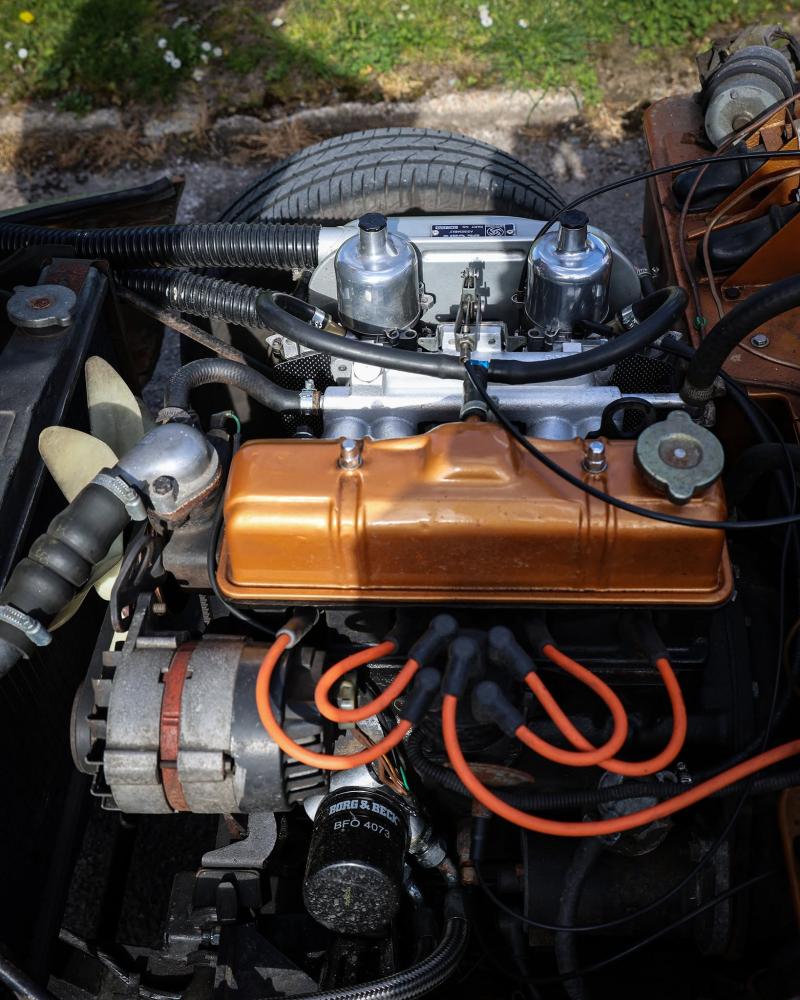
As shown in our YouTube video, we are looking at a HS4 type carburetter in which our customer was having an issue with it running too rich and having problems with racing idle. SU HS4s are used on MGBs primarily, Triumph Spitfires, and also Minis, as well as other vehicles. Pictured below are twin HS4s on a customer’s 1977 Triumph Spitfire 1500, taken during a visit to Burlen / SU HQ.
Both high idle and rich running are two separate problems that can be encountered on carbs, but can be happening simultaneously, with one causing a knock-on effect on the other. Sometimes a high, erratic or hunting idle can be caused by an overly rich mixture. This is because there is too much fuel at lower engine speeds, and of course this is primarily at idle.
Ultimately - if you have extreme richness and a very high idle speed and re-balancing of the carburetters and minor adjustments do not fix your problems, then generally there's a fault with the carbs themselves, and there are few things to check through:
Possible causes of a high idle speed
- High idle speeds are generally caused by a form of vacuum leak and/or anything relating to the throttle side of the carbs. On the manifold/inlet side of the carburetter the mating face has a gasket and sometimes an insulation block, and for example if a gasket has blown, or the carburetter is not bolted down correctly, this leaves an air gap and may raise the idle speed. In addition, any distortion of the flange face can affect the idle speed.
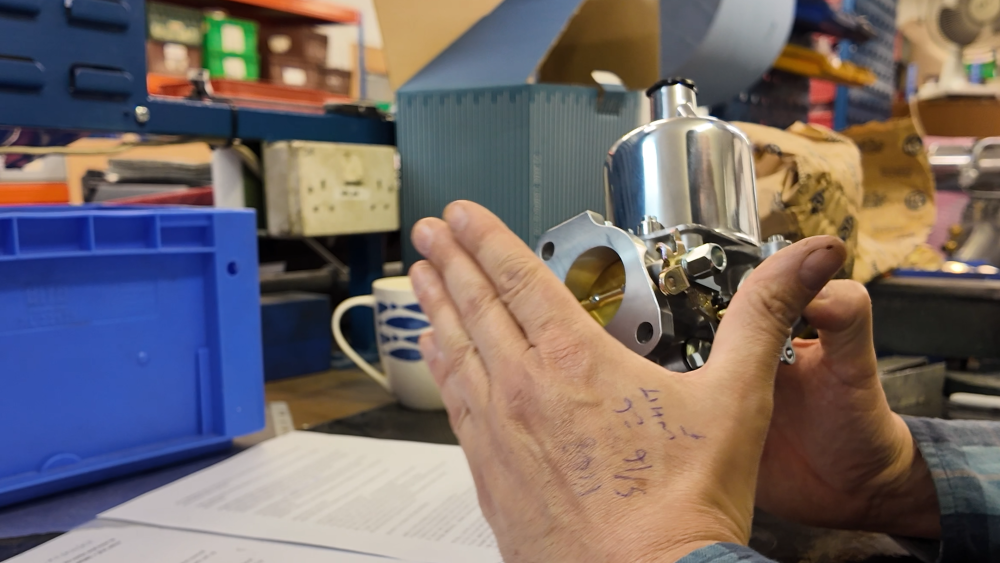
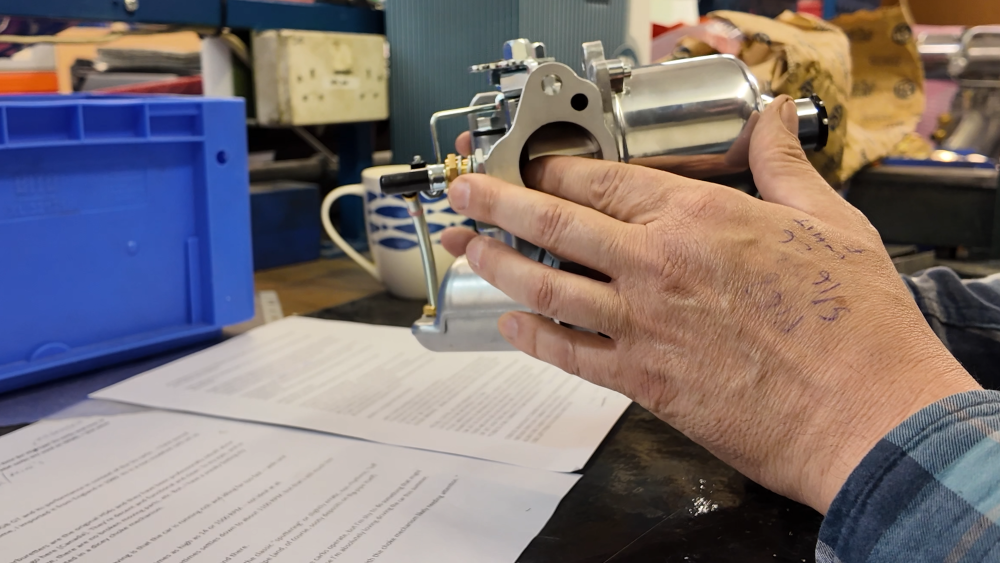
- Most commonly, it is due to wear in the throttle spindle. A good way to check that is to feel how much play or ‘wiggle’ there is in the spindle with the throttle in the closed position. If you can hear, see or feel play, then that generally means it is worn.
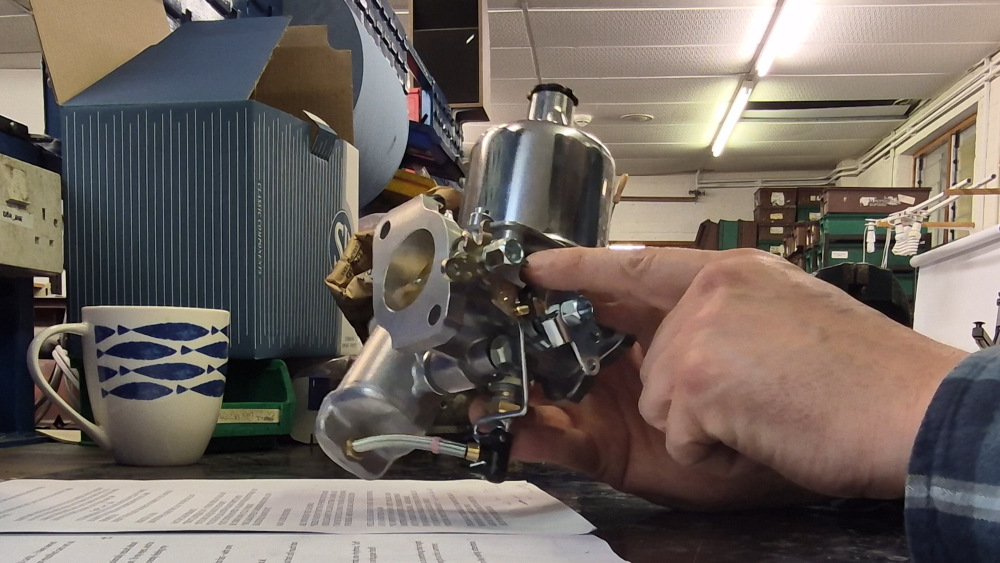
We offer a rebushing service within our restoration department for SU carburetters and fit new spindles & discs as part of this service. For more details please contact us.
- When the spindle is worn, it doesn't matter how you're setting the idle on the tick-over screw, as you're drawing unregulated or ‘false’ air through the spindle bosses and it's impossible to get the idle speed down. Our customer was experiencing extremely high idle at 1400 - 1500 rpm whilst usually, most carbs run around 800 or 850 rpm. Some people would like to run the idle down around 500 rpm, but obviously you encourage it stall more easily and is unrealistic on older engines.
- Another part to consider apart from the spindle play is the disc itself. Obviously, the disc is round, but the question we ask is: is the disc sat squarely in the bore? By this, we mean that the chamfered edge needs to be facing down onto the bore.
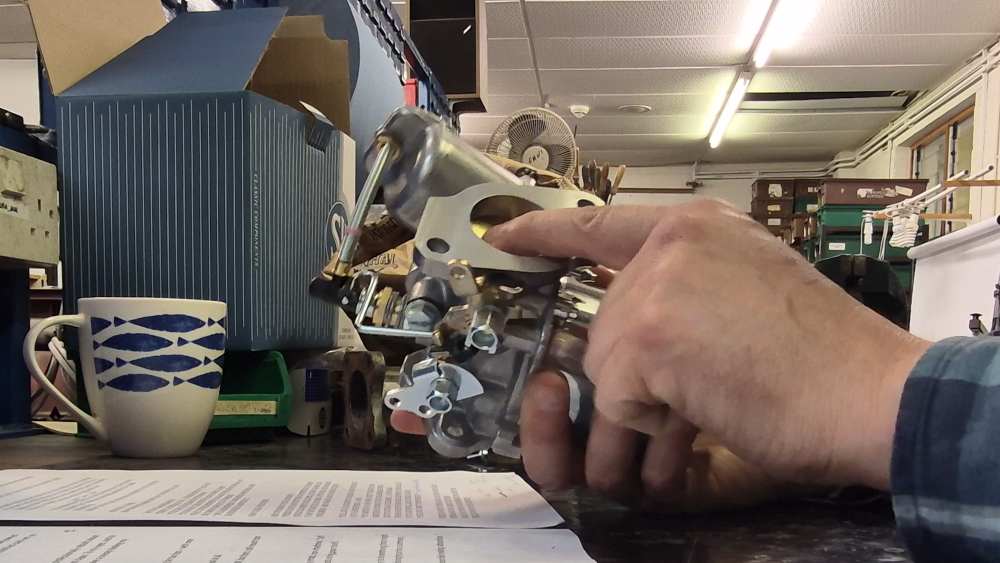
- Also, you can hold it up to the light and look through the back. If you can see light (opposite diagonally) you just need to rotate the disc and get it sat as squarely as possible in there. The throttle should ‘snap’ shut.
- If the fast idle screw is screwed too far out, it can actually hold the throttle open against the fast idle cam. This is always worth checking, especially as our customer was experiencing such a high idle speed. Set the idle first – then the fast idle after.
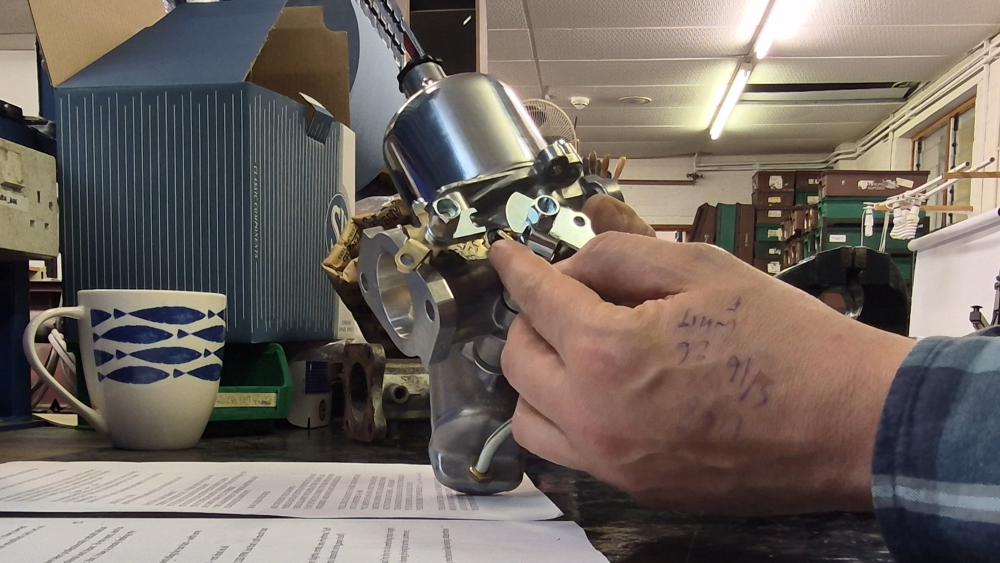
- Check that your carb linkages are free for full movement and that nothing is binding or jamming as this can cause throttle discs to hang open. Check after making adjustments that the linkages are tightened back up sufficiently.
- Also, check for the quality/condition of your throttle return springs. If they are worn or stretched, they may not be returning your throttles fully. Replace if necessary. If they are adjustable ones, then make sure they have enough tension on them on the lever nuts.
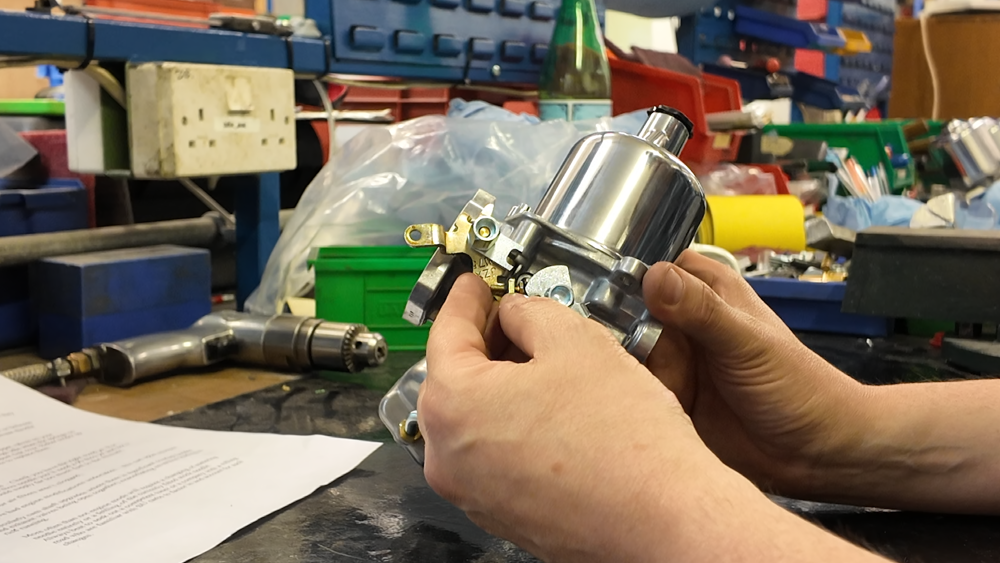
- If you have overrun valves or ‘poppet’ valves fitted to your throttle discs then these can cause high/erratic idle speed if the springs on them are worn. Either replace them or fit standard plain throttle discs which we can supply.
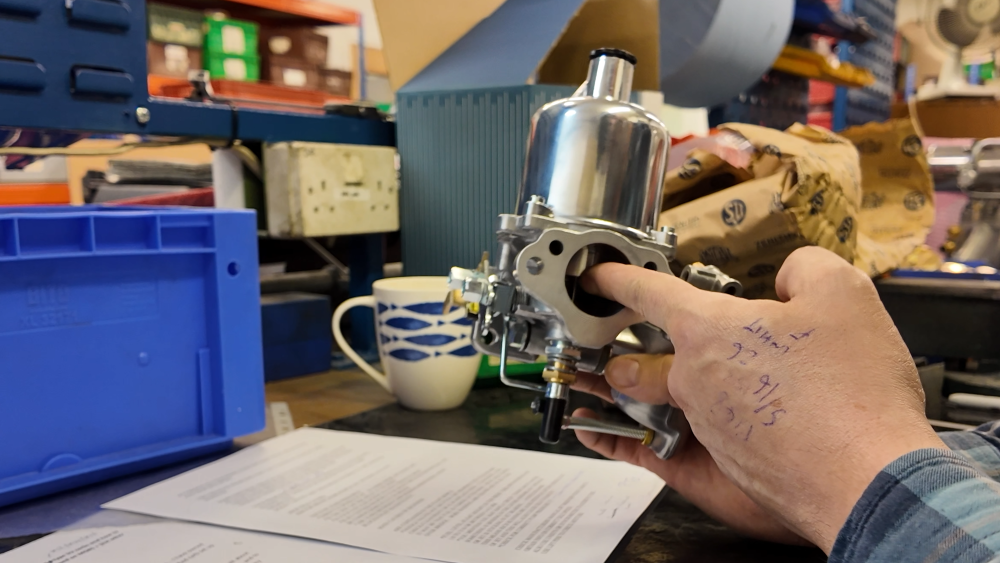
- Some HS carburetters use fixed type metering needles rather than bias type. If the piston isn't coming down to the bridge, the jet assembly may not have been centred properly, therefore affecting the idle speed.
Possible causes of rich running
A lot of people running rich carbs have problems such as an uneven exhaust note, blackening of spark plugs and exhaust pipes etc.
The main causes of richness, focusing on the carbs, happens within the float chamber. As every drop of fuel passes through the chamber and the valve in the float lid, it’s very important to check your fuel tank and your fuel lines to ensure you're not sucking up any dirt or debris, because that gets into the lines and then into this valve preventing it from shutting off correctly.
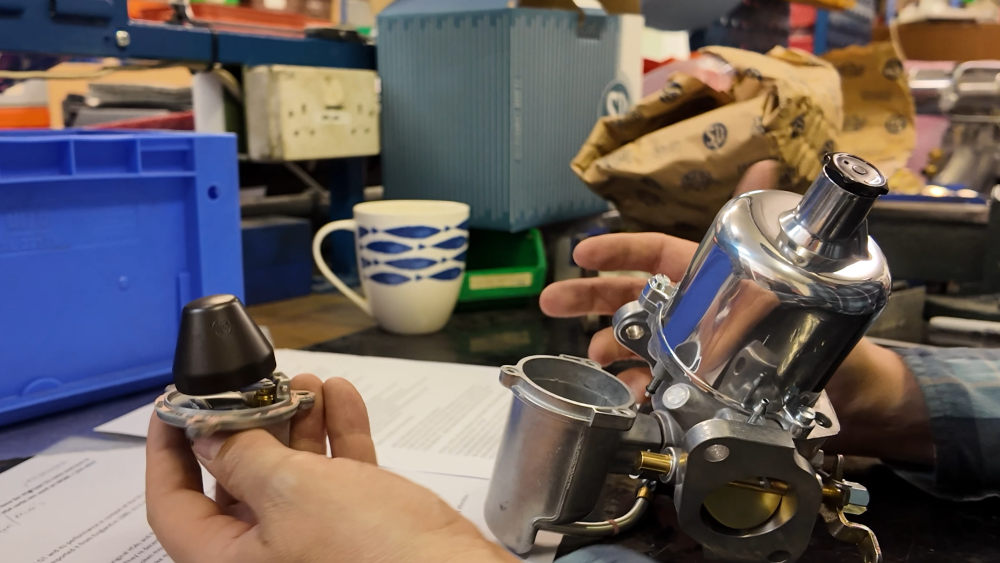
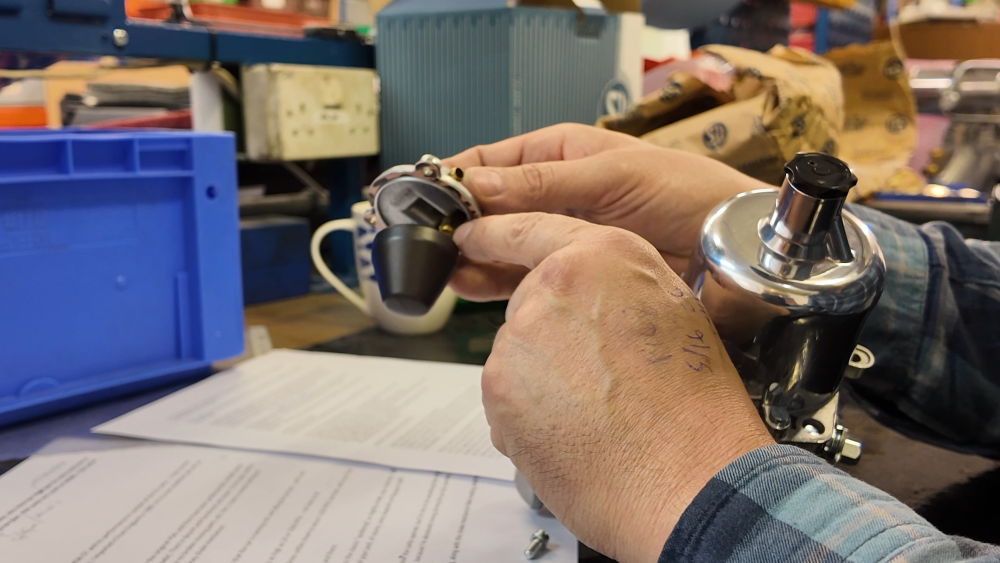
The fuel level comes up too high and that can cause rich running. If it's bad, the fuel will come up above its desired height in the bowl over the tip of the jet into the bridge, and it will pool inside the carburetter giving you a rich mixture.
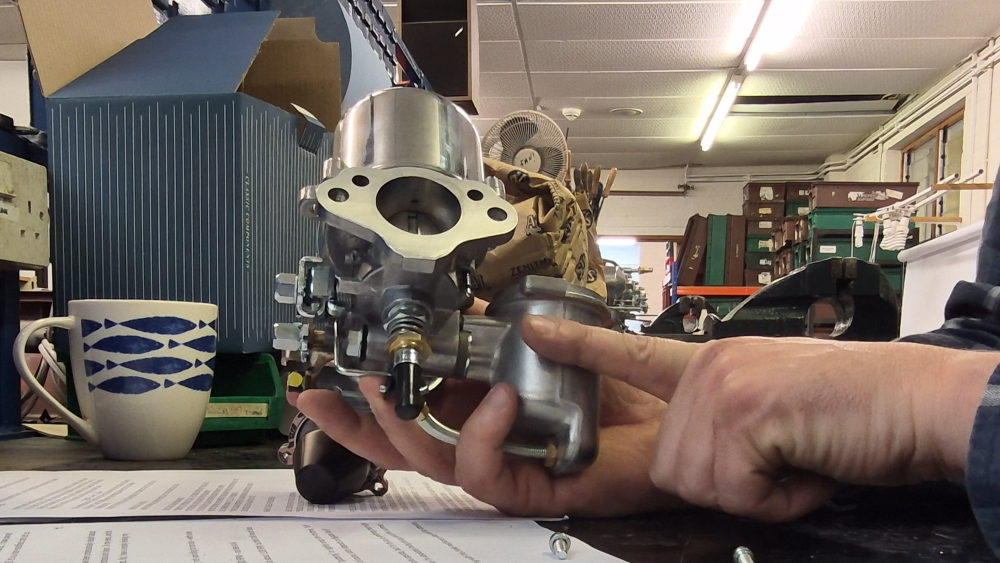
Sometimes the needle tip itself is just worn and allows fuel to get past.
If it's really bad, the carb itself will flood and will actually come out through the throttle disc at the front, and then obviously you'll get bore washing and then subsequently crankcase oil dilution, which is extremely bad for the engine. Fuel will also emit from the overflow system.
So, you also need to check and clean needle valves for such dirt, and if and when possible, get a new needle valve which has been fully tested to shut off correctly.
- In addition to the valve, also check the float. If they're the old plastic type floats, they can be punctured and take on fuel due to their age, which causes them not to shut off properly again causing a rich mixture and flooding.
- The fuel height or the float height is another check to make. Take the lid off and check the distance between the underside of the float and the top of the lid. We're looking for a gap between 1/16” to 3/16” which equates to roughly about 3 to 4.5mm.
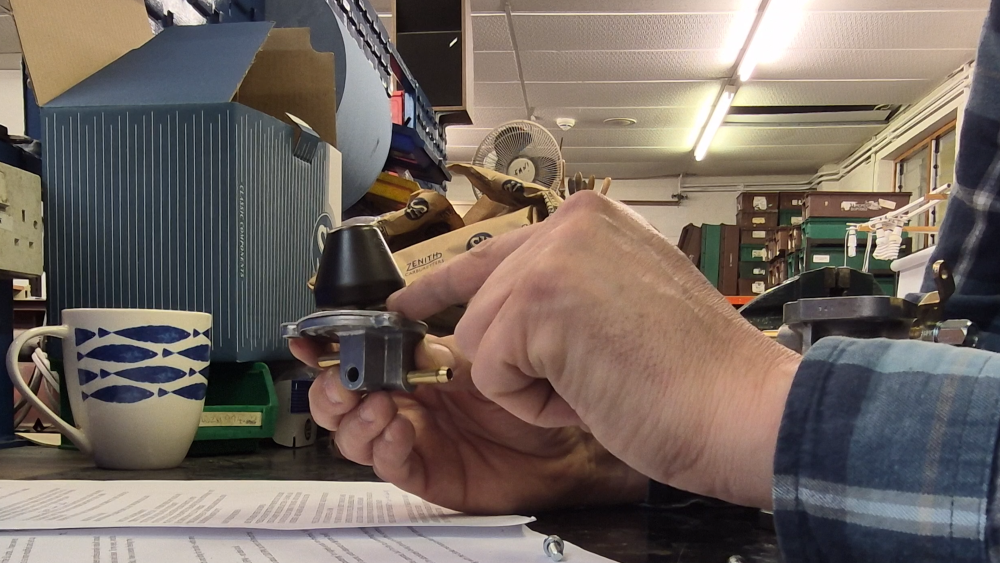
- If the float is too high, then the fuel level will be incorrect and it can come up into the bridge and cause the problems described above. Check for consistency over pairs and triple sets.
- You also need to check what your required fuel pressure is from your fuel pump. If the fuel pressure is too high, it can cause running issues affecting the carburetter. It will fibrillate or shake the needle in the valve meaning that you can get a rich mixture because the fuel has not been shut off when it needs to or provides extra fuel when fuel demand is lower.
- Check the condition of your air filters. If they are clogged – then this can cause rich running because of stifled air flow.
- Our customer thought that the jet link was incorrect or that he had a faulty choke.
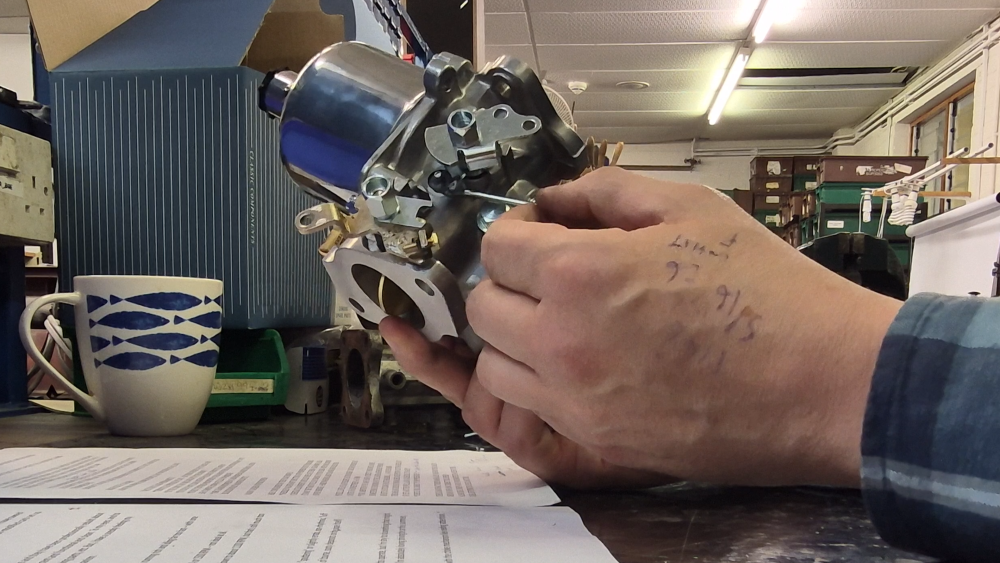
- As the choke operates - the first portion of travel is for the fast idle which is then followed by enrichment via jet droppage. After choking, everything should come back to rest with the jet in the normal running position.
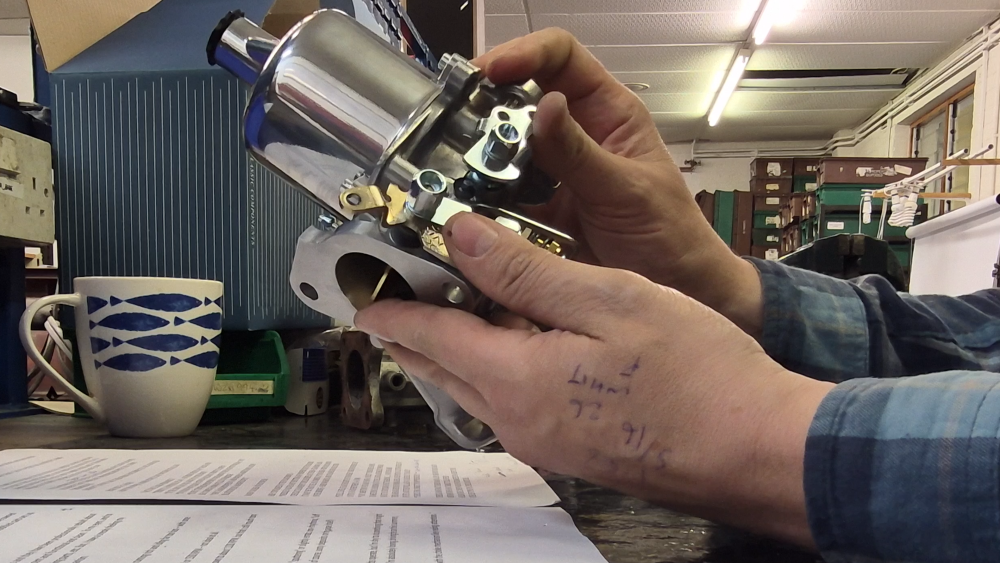
- He suspected the choke mechanism had an issue, which means that something's binding in the choke lever assembly, or the jet itself is getting stuck in the bearing, holding the jet in a rich position.
- If you have had any engine mods done to your car, particularly performance or ‘hot’ cams then this can cause rich running because it can increase ‘reversion’ – the overlapping of inlet and exhaust valves in operation. With any engine mods it may be apparent that the stock needle will be insufficient for correct running across the rev range. In this instance – it is best to seek out an engine tuner with a rolling road who will fettle the current stock needle or recommend an entirely new needle to account for such changes.
- Also check the grade of oil you are using for the damper in the piston. We recommend using our damper oil which is SAE 20 which is perfect for the job. Different grades of oil can affect the mixture.
- Another important thing to check is to make sure you’ve got the right needle fitted for your specification of vehicle. There is a stock recommendation for each application listed in the SU vehicle listings in our catalogue. Different options are available for altitude. Leaner needles for higher altitude and richer for lower.
- Finally (and this sounds silly but it happens!!) make sure if you’re running corresponding jets and needles! A 0.090” needle in a 0.100” jet will run very rich if at all!!
Making adjustments to compensate for high idle and/or richness
- The little lift pin (pictured below) is a great way of checking your mixture before you make any adjustments. There's a little spring-loaded pin underneath all HS carbs, which is designed to lift the piston just off of the bridge. With the engine running, press the lift pin then let it go. If the mixture is correct, the revs should momentarily rise and then settle back down again. If the car's running rich, the revs will rise and stay high. Or if the car is too lean, the revs will drop to a stall.
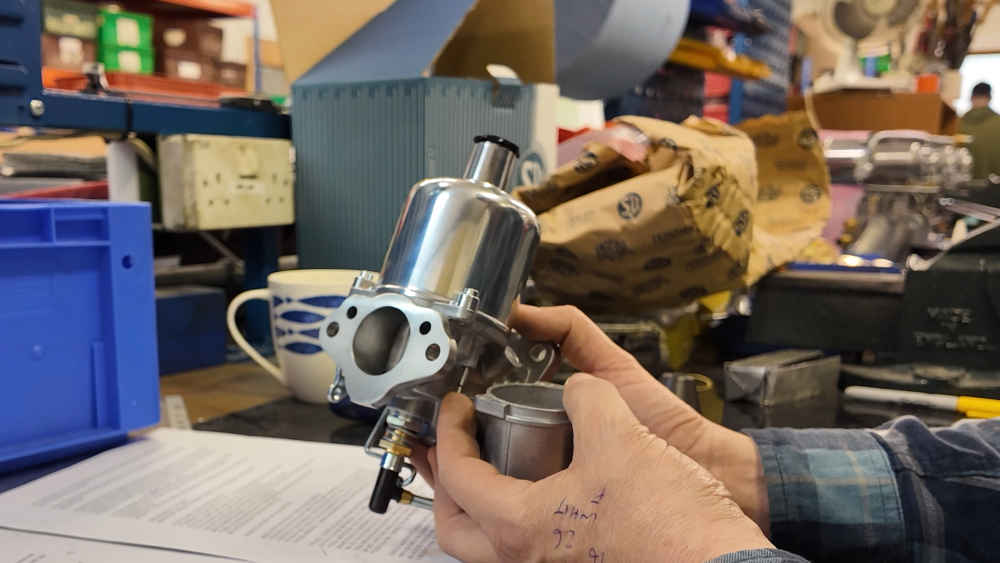
- The mixture is set by adjusting the nut above the jet (pictured).
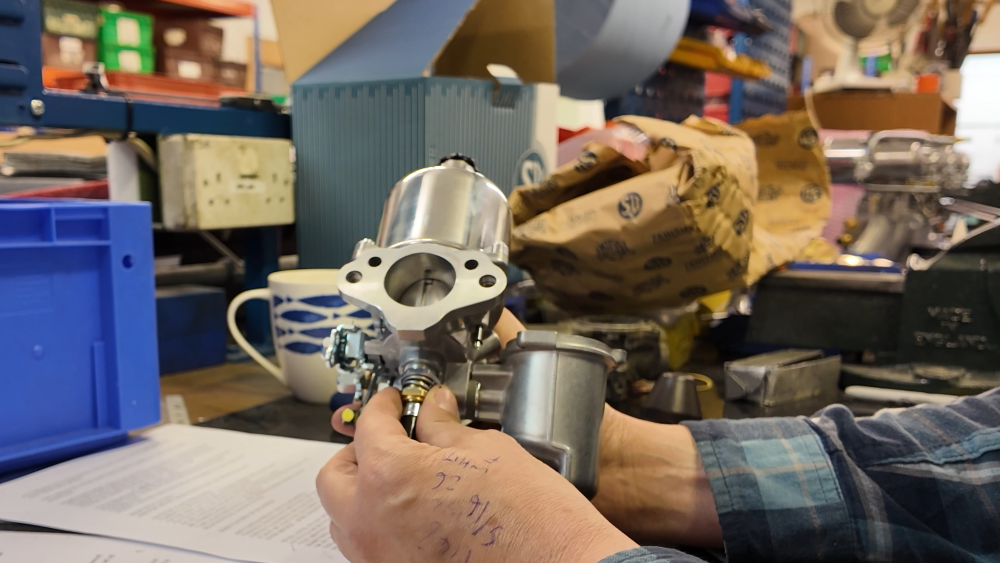
- When the carb is in situ, turn it anti-clockwise is to screw it in. This brings the jet back up towards the bridge. The gap between the needle and jet orifice, which we call the ‘annular gap’ is then reduced, leaning the mixture off. If you undo this nut clockwise, it lowers the jet, increasing the annular gap between the needle and the jet orifice, which enriches the mixture.
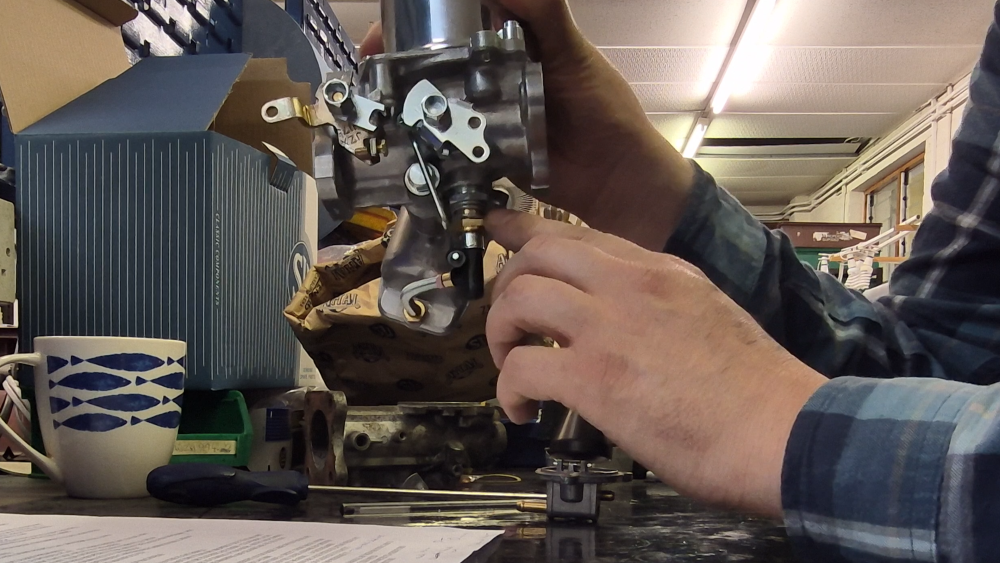
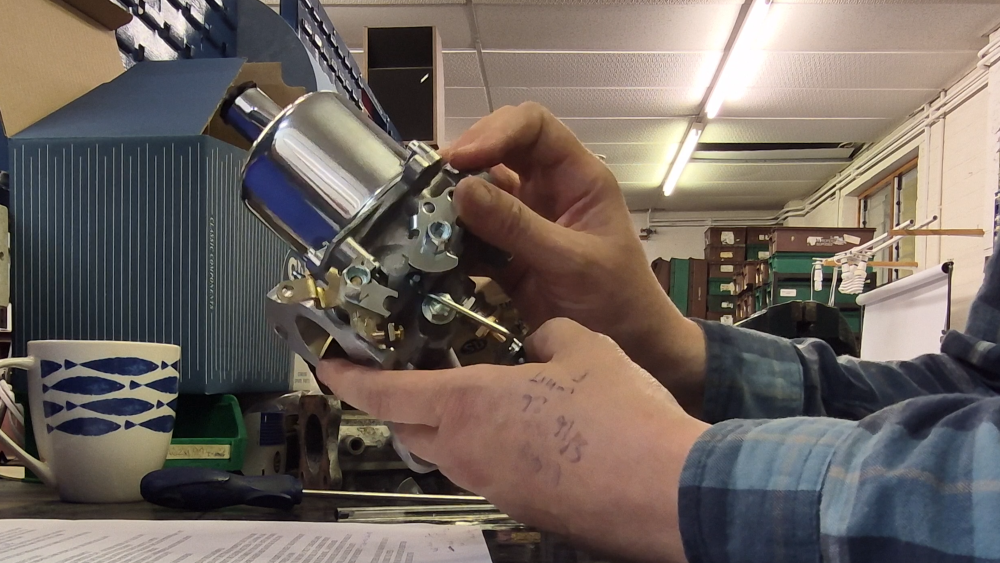
- For initial mixture settings, use the jet adjusting nut to bring the top of the jet level with the bridge (the horizontal plane in the middle of the carb) and then unscrew (clockwise) 9 nut flats for fixed needles and 14 flats for bias needles.
- When you are choking the carburetter, the mechanism drops the jet to give you enrichment by increasing the annular gap between the jet and needle even further. The object is that during the first motion of the choke mechanism, the throttle is opened further to give you a raised idle speed. The cam lever acts on the fast idle screw on the throttle lever. What this does is prevent the engine from bogging and stalling when it is having extra fuel running to it, and also because the engine is cold. The second action of the choke will drop the jet to give you the enrichment. The idea is that you pull the choke out fully, so you get both of those benefits.
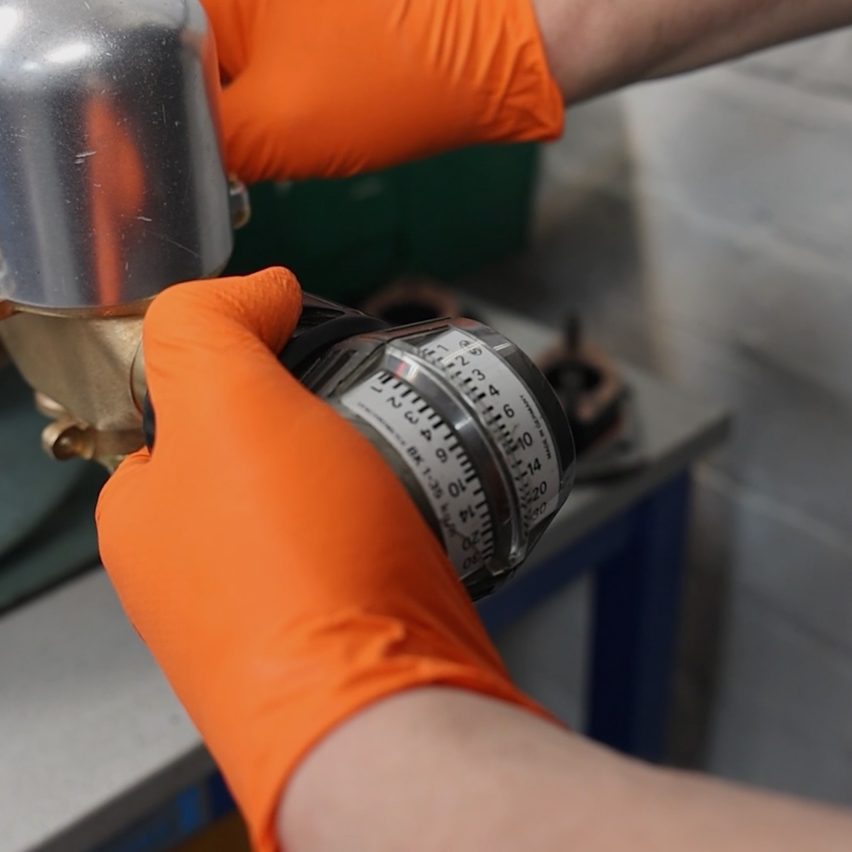
- For setting your idle, we would suggest using a tool like a synchrometer or a ‘Uni-Syn’ (as used outside of the UK). You put it into the air intake of each carb to check that all of them are pulling the same amount of air. If they're not, you can balance them by adjusting the tick-over screw until all carbs are in sync. If not, there may be issues described above with wear.
We hope that these steps and checks cover all the main issues with high idle and rich running. Here at Burlen we have lots of experience with SU carbs and if you are having running issues, please do not hesitate to contact us and our technical sales team so we can talk you through the problem to find a solution.
Our restoration department headed by James Smith, who has over 20+ years’ experience with building and restoring carburetters, can also provide a full rebushing service or a complete restoration. So, if you've got multiple problems like our customer, we can sort all those out, get everything back to baseline, and hopefully get you back on the road!